
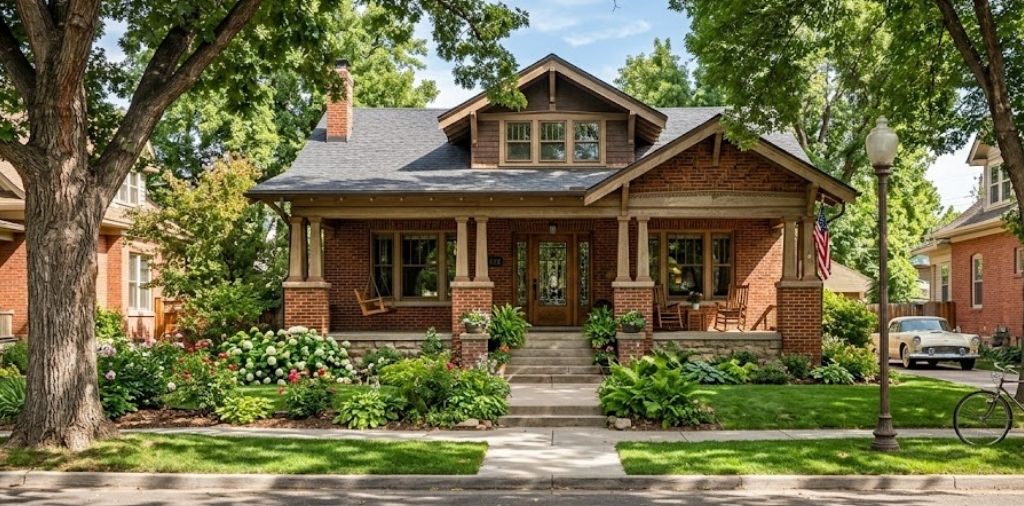
Richland Farms should not exist, and that is exactly why it matters. In the geographic middle of Los Angeles County, surrounded by freeways and density, sits a neighborhood of large residential-agricultural lots where zoning that traces back to the city's founding still permits livestock, and where the Compton Cowboys made the local equestrian tradition famous far beyond the city. Horses graze behind ranch fences. Backyards grow real food. And the plumbing serving all of it runs at a scale no ordinary residential plumber is equipped to think about: service lines measured in hundreds of feet, irrigation networks modified across generations, troughs, hydrants, and outbuildings, all fed through decades-old pipe under acreage.
Farm-scale plumbing, farm-scale failure modes
Three realities separate leak work here from the rest of the city. Distance: a lot several times the size of a tract parcel multiplies both the pipe in the ground and the places a failure can hide, which is why our Richland Farms kit leans on line-locating and buried-leak instruments sized for long runs rather than short guesses. Diversity: irrigation systems here serve pasture, gardens, and animals, not just landscaping, and their mains and valves have often been extended and patched by three generations of owners. And age: much of the housing predates the tract era entirely, farmhouses on raised foundations whose underside plumbing records a century of splices in every material ever sold.
Water on a property that uses water
Diagnosis changes when a property legitimately consumes serious water. A high bill on a tract lot is a red flag; here it might be August and the pasture. So we work from evidence rather than alarm: meter observation with the property at rest, zone-by-zone isolation of irrigation circuits, flow measurement that separates animals-and-acreage consumption from a pressurized loss running around the clock. The city's own well supply feeds these lines the same mineral load it feeds everyone, and long runs of aging metal in mineral-heavy water fail on schedule; the difference is that a Richland Farms failure can soak quietly into a corner of land nobody crosses for weeks.
Respecting how this neighborhood works
Serving acreage means small courtesies that matter: gates closed behind us, animals given distance, work staged so hoses and troughs keep flowing, digs coordinated around turnout schedules. Repairs get bedded and marked so the next generation's shovel knows where the line runs. And where a property still carries legacy infrastructure, old hand-dug lines, abandoned laterals, the mystery valve nobody remembers, we map what we find and leave the owner a better drawing than we started with. The blocks just east carry the same large-lot patterns at smaller scale, and South Compton shares this area's dispatch routes.
One number for the whole spread
From a farmhouse bathroom to a pasture main three hundred feet from the meter, the property gets one call and one accountable crew: (424) 544-0235, answered around the clock. Tell the dispatcher it is Richland Farms and the truck comes loaded for distance.
Long run losing water somewhere across the property?Crews arrive loaded for acreage, gates closed behind them.
✆ (424) 544-0235Richland Farms, Compton, CA | Compton Leak Repair Pros serves this area 24/7
Richland Farms leak questions
Our water bill is always high because of the animals. How would we even spot a leak?
By pattern, not size. A pressurized leak runs at 3 a.m. when animals and irrigation rest, so an overnight meter observation separates real consumption from loss. Usage history across seasons helps too, and we read both.
Can you locate a leak along a 300-foot service run without trenching it?
Yes. Electronic line tracing maps the actual route, then acoustic survey and tracer gas narrow the failure to a marked point. One neat excavation replaces what used to be a week of exploratory digging.
Do you work around horses and livestock?
Routinely and respectfully. We coordinate timing with your turnout routine, keep equipment noise away from animals where possible, and never leave an open excavation unfenced on a property with stock.