
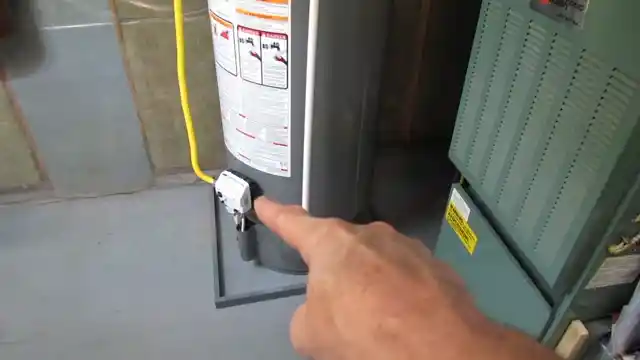
It starts as a damp ring on the garage slab. Maybe a faint metallic smell, maybe a rust streak down the tank jacket, maybe just a puddle that returns after you mop it. A leaking water heater announces itself quietly, and the first question is the only one that matters: is the water coming from a fitting you can fix for little, or from the tank wall itself, which no one can fix at all? Guessing wrong in either direction is expensive. Replacing a heater that only needed a valve wastes a thousand dollars; nursing a split tank floods a garage.
The five places heaters leak, in order of luck
- Supply connections. The flex lines and unions on top loosen and corrode. Cheap fix, ten-minute job.
- Temperature and pressure relief valve. A dripping T&P valve is either a worn valve or a warning that system pressure is too high. The valve is a simple swap; the pressure question matters more, and it often traces to a failing regulator at the house inlet.
- Drain valve. The spigot at the base weeps past its seat, especially after a sediment flush. Replaceable.
- Anode and element ports. Threaded openings seep when gaskets age. Serviceable if caught before rust spreads.
- The tank itself. Water weeping through the jacket or pooling with no wet fitting above it means the inner tank has corroded through. That is the one no repair reaches. Replacement is the only honest answer.
Why Compton kills water heaters early
Manufacturers rate tanks for a decade or more, but those ratings assume average water. Compton's is not average. The city's own Central Basin wells deliver water the city reports at 6.5 to 15 grains per gallon, and every gallon heated drops part of that mineral load as scale. Sediment blankets the tank bottom, forcing gas burners to overheat the steel beneath it, and the popping sound many homeowners hear is water flashing to steam under that scale layer. The anode rod, the sacrificial part that protects the tank, gets consumed years ahead of schedule. In practice, tanks in this city that never get flushed often fail in six to eight years instead of twelve. The same hard-water logic applies to everything downstream, which is why a heater diagnosis here often pairs with a check of the dishwasher and washing machine connections fed by the same lines.
Repair, replace, and the honest math
Our rule is simple and we put it in the written quote: fittings, valves, and ports on a tank under eight years old are worth repairing; a leaking tank wall at any age is not, and a repaired fitting on a twelve-year-old tank full of scale is a short-term bridge, priced and described as one. Replacements are installed to current code, with seismic strapping that the Newport-Inglewood fault zone makes more than a formality, a drain pan where the location demands it, and a new shutoff you can actually turn. We haul the old tank away and register the warranty before we leave.
When to call today, not this weekend
A weeping fitting can wait a day. Water tracking across a garage in an East Compton tract home, or any tank hissing, bulging, or leaking hot water, cannot. Shut the cold inlet valve above the heater, kill the gas or breaker, and call (424) 544-0235. We stock common tank sizes and most emergency replacements finish the same day.
Puddle under the tank or rust streaks down its side?Dispatch answers 24/7. Written quote before any work.
✆ (424) 544-0235Water heater questions from Compton garages
How do I know if it is the tank or just a valve?
Dry every fitting with a towel, then watch. Water reappearing at a specific connection means a serviceable part. Water seeping from under the jacket or pooling with all fittings dry means the inner tank has failed and replacement is the answer.
How often should a Compton water heater be flushed?
Annually, given the mineral load in the city's well supply. A yearly flush plus an anode check every two to three years is the cheapest life extension available for a tank in this water.
My relief valve drips every night. Is that dangerous?
Treat it seriously. It is often thermal expansion or excess street pressure pushing past the valve, and the fix may be an expansion tank or a new pressure regulator rather than the valve itself. Ignoring it risks the one valve protecting the tank from overpressure.
Do you install tankless units in older Compton homes?
Yes, with a caveat we state upfront: very hard water demands a scale filter and regular descaling on tankless heat exchangers, and older homes may need gas line upsizing. We price the true installed cost so there are no surprises.