
Compton, CA · Los Angeles County · The Hub City · 24/7 Leak Detection & Repair
24/7 Emergency Leak Detection & Repair in Compton & Long Beach, California
From pre-war streets near Downtown Compton to post-war slab tracts in West and East Compton, our licensed specialists locate slab, pinhole, and sewer leaks fed by some of the hardest municipal well water in California, then repair them the same day.

The Hub City's leak specialists, on call around the clock
Compton is an old city by Los Angeles County standards. It incorporated on May 11, 1888, which makes it the 8th city in the county to do so, and that age shows up in the plumbing. Galvanized supply lines still run under pre-war homes near Downtown Compton. Post-war copper from the 1940s through the 1960s sits beneath thousands of slab foundations in Rosewood, Leland, and Sunny Cove. Every one of those pipes has spent decades carrying water from the City of Compton's own Central Basin wells, and that water is hard enough to grind copper down from the inside. When a line finally gives, you need someone who can find the failure point under the slab without jackhammering half the house to look for it.
That is the whole job here. We detect first, confirm the exact location, and only then open concrete, drywall, or soil. Our crews handle everything from pinhole leaks in aging copper to full sewer lateral failures under the city's oldest streets. Calls are answered 24 hours a day at (424) 544-0235, and a technician can usually reach any Compton address within the hour. We are licensed in California with our CSLB license on file, insured, and we quote before we cut.
Leak detection & repair services in Compton
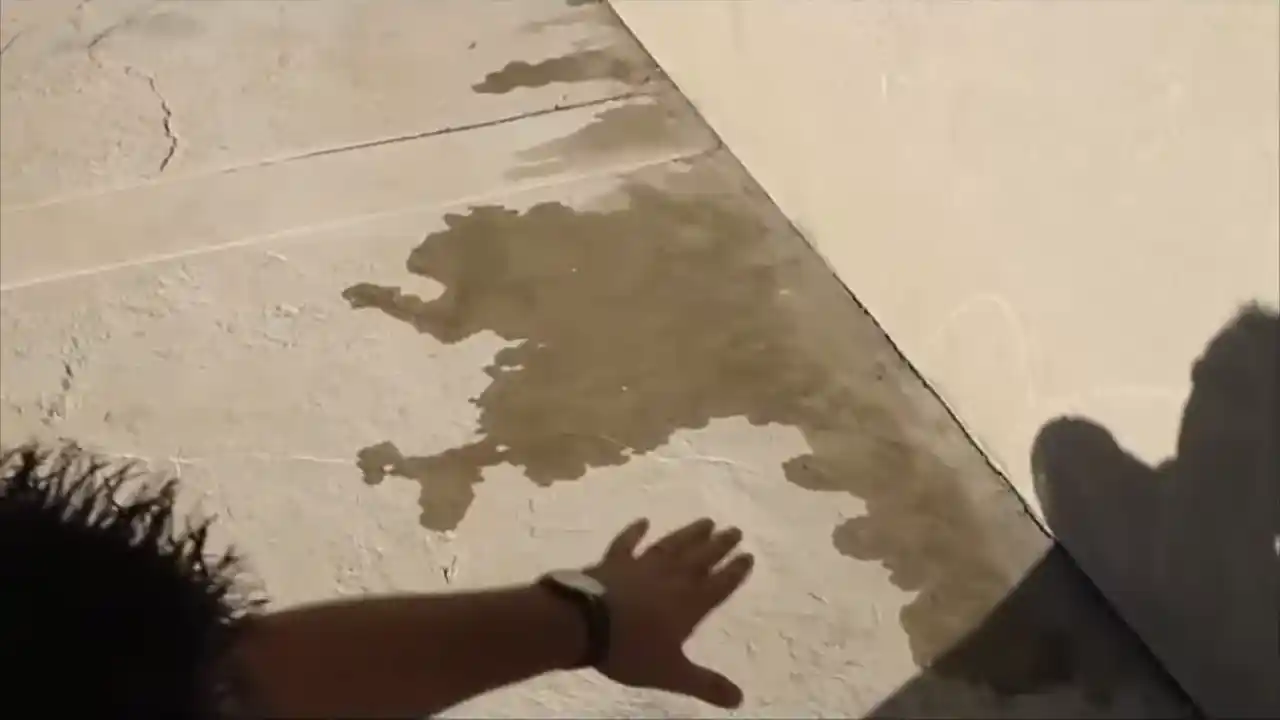
Slab Leak Detection & Repair
Compton sits on the flat LA coastal plain at about 69 feet, and nearly every home is slab-on-grade. We locate hot and cold line failures under concrete without exploratory demolition.
Slab Leak Detection & Repair →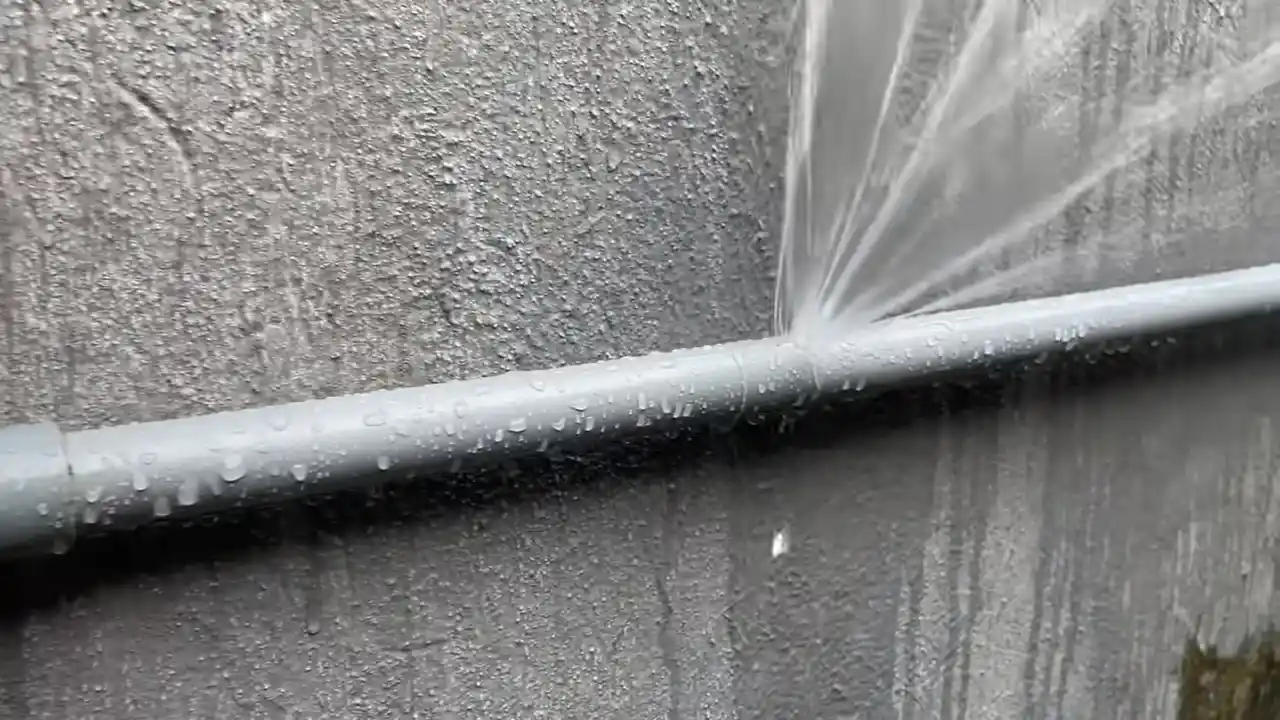
Pinhole Leak Detection & Repair
The city's own wells pull moderately hard to very hard Central Basin water. Copper that has carried it for 60 years fails from the inside out. We find pinholes before your drywall does.
Pinhole Leak Detection & Repair →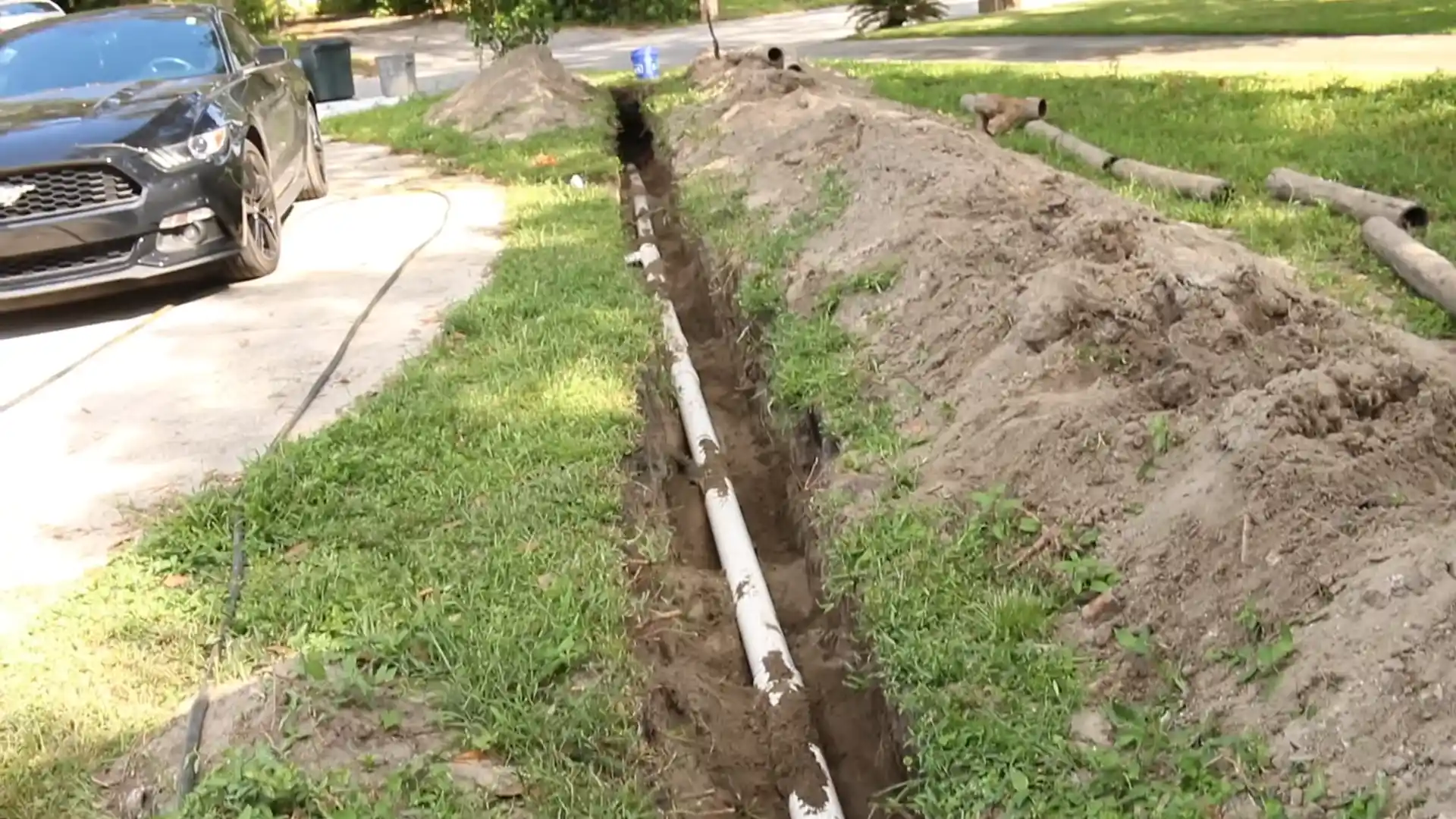
Sewer Line Leak Detection & Repair
Cast iron drains under pre-1940 homes near Downtown Compton and Richland Farms are past their design life. Camera inspection pinpoints the break before anyone opens a trench.
Sewer Line Leak Detection & Repair →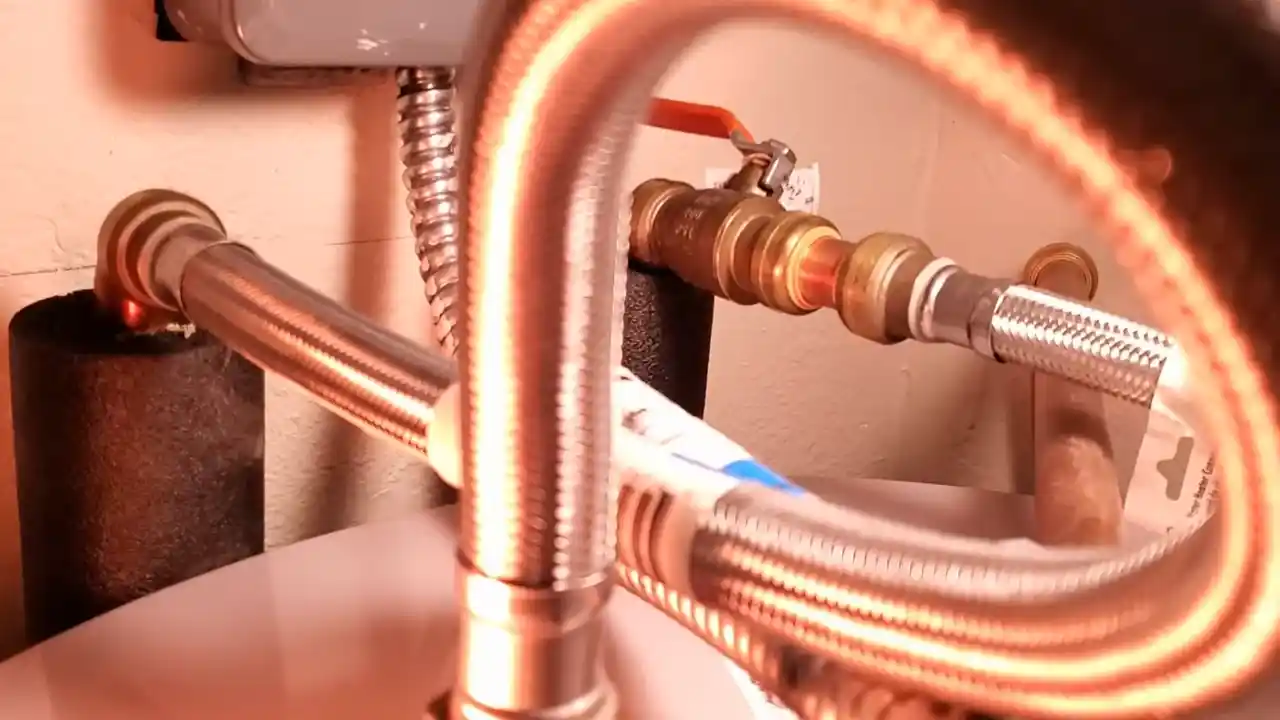
Foundation Leak Detection & Repair
A high coastal-plain water table and pockets of expansive clay keep steady pressure on Compton foundations. We trace moisture to its true source, supply line or groundwater.
Foundation Leak Detection & Repair →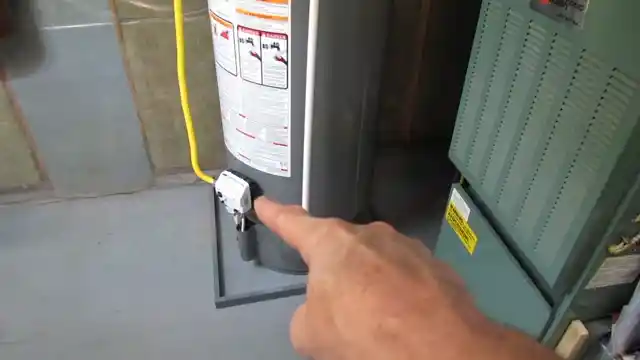
Water Heater Leak Detection & Repair
Very hard well water scales tanks fast in this city. We diagnose whether that puddle is a fitting, a relief valve, or a tank wall that has finally corroded through.
Water Heater Leak Detection & Repair →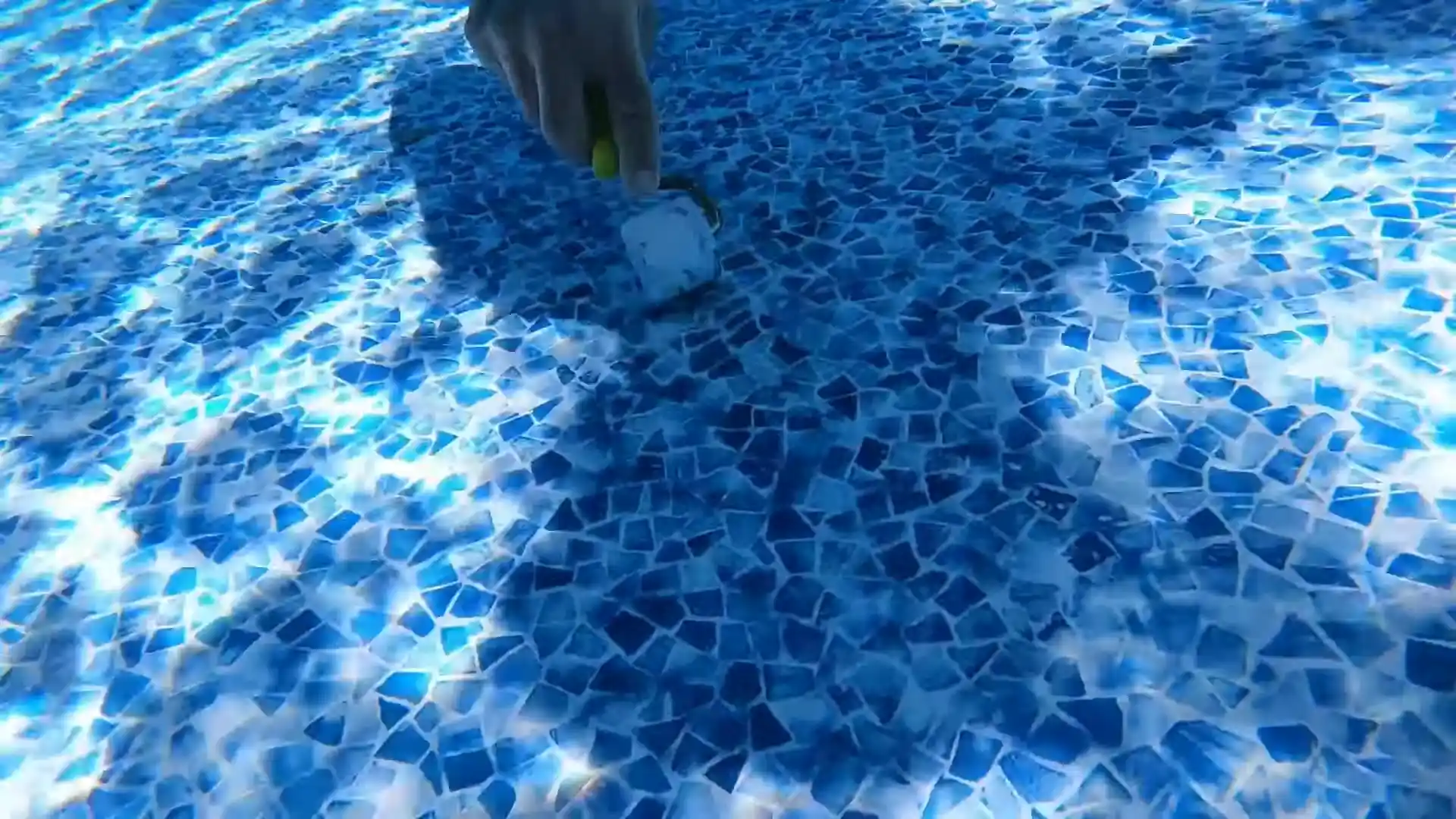
Pool Leak Detection & Repair
Backyard pools across South Compton and Leland lose water to more than evaporation. Pressure testing and dye tracing show exactly where, and whether the fix is plumbing or shell.
Pool Leak Detection & Repair →Why Compton homes leak differently
Compton runs its own municipal water system. The City of Compton Water Department, under the Department of Municipal Utilities, pumps from 8 city-owned groundwater wells in the Central Basin and holds court-adjudicated rights covering roughly 80 percent of the city's demand. The remaining share arrives through 3 imported connections from the Metropolitan Water District. The city's own water quality reporting puts hardness between 6.5 and 15 grains per gallon, moderately hard to very hard, and some independent analyses have measured local samples higher still. That mineral load scales water heaters, clogs aerators, and eats copper pipe year after year.
Now layer the housing stock on top. This is an 1888 city. Downtown Compton and parts of Richland Farms still carry pre-war galvanized supply lines and cast iron drains. The huge post-war tracts that filled in West Compton, East Compton, and Rosewood run original copper that is now 60 to 80 years old. Add slow seismic micro-movement from the nearby Newport-Inglewood Fault Zone, the fault behind the 1933 Long Beach earthquake, and slab leaks stop being a question of if. The honest question is when, and whether you catch it early.
✆ Talk to a leak specialist
Six signs a Compton home is leaking right now
Most of the leaks we repair announced themselves weeks before anyone called. Here is what to watch for in a slab-on-grade home served by hard well water:
- A warm patch on the floor. Hot-side slab leaks heat the concrete above them. Bare feet usually find it before eyes do, often in a hallway or near the water heater wall.
- A water bill that jumped with no change in habits. The City of Compton bills by usage, so a pressurized leak shows up in the numbers fast. Two high bills in a row deserve a meter test.
- The meter spins with everything off. Shut every fixture, then watch the small flow indicator in the meter box. Movement means water is leaving the system somewhere.
- Hissing or trickling behind a quiet wall. Pressurized water escaping pipe makes a faint, constant sound. Night is the best time to hear it.
- Mineral crust or rust bloom at a fitting. Compton's hard water leaves a white or green-white deposit wherever it seeps. A crusted joint is a leaking joint.
- A patch of yard that never dries. On the flat coastal plain, escaped water pools instead of draining away. A soggy strip over the service line path is a classic water line failure.
Any one of these is worth a call. Two together mean water is moving where it should not be, and every day adds cost.
Active leak right now?Shut the main valve, then call. We dispatch around the clock.
✆ (424) 544-0235Find it first. Then fix it. Never the other way around.
A leak you cannot see should never cost you a floor you can. Our process starts with isolation: we shut zones, watch the meter, and pressure-test individual lines to confirm which system is losing water. Then we pinpoint. Acoustic sensors pick up the hiss of pressurized water escaping under concrete. Thermal cameras reveal the heat signature of a hot-side failure. Tracer gas finds the quiet drips that acoustic gear misses. By the time anyone touches a saw or a jackhammer, we know the location within inches.
Repair follows the same discipline. A single bad joint gets a spot repair through one small opening. A failing line gets rerouted overhead instead of trenched through your slab. And when a house full of 1950s copper has thrown its third pinhole in two years, we will say so plainly and walk you through what a full repipe involves rather than selling you patch after patch. Compton's very hard well water does not negotiate with old pipe. Sometimes the right answer is new pipe.
Homes, storefronts, and everything on a large lot
Most of our calls come from homeowners, and the housing here keeps us busy: pre-war bungalows around Downtown, post-war tracts through Rosewood and Leland, later infill near Cressey Park. But the same crews handle commercial properties along the Long Beach Boulevard and Atlantic Avenue corridors, where a slab leak under a shop floor can close a business until it is found. And Richland Farms brings work most LA plumbers never see: long private service runs, troughs, and irrigation crossing ten-acre lots. Different properties, same discipline. Locate first, quote in writing, then repair.
Where we work
Our base sits in the 90220, minutes from the Compton Civic Center, and we cover all of the city: Downtown, North, South, East, and West Compton, the corridors along Long Beach Boulevard, Atlantic Avenue, and Wilmington Avenue, and every ZIP from 90220 through 90222. Richland Farms gets its own dedicated coverage because its large agricultural lots, horse properties, and long irrigation runs create leak patterns a standard tract home never sees. Beyond city limits we serve ten neighboring communities, from Carson and Gardena in the west to Lynwood, Paramount, and the Gateway Cities east of Compton Creek, plus Inglewood, Lakewood, Bellflower, Wilmington, and Long Beach.
Compton leak repair questions
How do you find a slab leak without breaking up my floor?
We isolate the leaking line with pressure testing, then locate it with acoustic listening gear and thermal imaging before any concrete is touched. In most Compton homes the leak is marked within a few inches, so the repair opening stays small and the rest of your floor stays intact.
Why does Compton water cause so many pinhole leaks?
The city pumps most of its supply from its own 8 wells in the Central Basin, and that deep groundwater picks up heavy calcium and magnesium from the LA Basin's ancient marine sediments. The city reports hardness of 6.5 to 15 grains per gallon. Decades of that mineral load, moving through copper that was installed in the 1950s or 1960s, thins pipe walls until a pinhole opens.
Do you handle homes in Richland Farms with wells, troughs, or long irrigation lines?
Yes. Large-lot properties are a regular part of our week. Long service runs, older farmhouse plumbing, and buried irrigation mean more places for water to escape unseen, so we bring line-locating and tracer-gas equipment sized for acreage, not just a city lot.
How fast can you get to my house?
We dispatch 24 hours a day and typically reach addresses inside Compton within about an hour. If water is actively flowing, call (424) 544-0235 and shut your main valve at the house; the meter box valve near the sidewalk works if the house valve is stuck.
Will my repair need a permit?
Repipes, water service replacements, and sewer lateral work in Compton generally require permits through the city's Building and Safety division, and we pull them when the job calls for it. Small like-for-like spot repairs usually do not. You get a straight answer on this in the written quote before work starts.
Water Damage Restoration in Compton
Leak detection is where we started, but a slab leak that's run for weeks leaves damage that goes past the pipe itself. We now handle the extraction, drying, and repair that follows, across Compton and the Gateway Cities. Call (310) 775-8498 for water damage response.