
South Compton's defining neighbor is not a street but a waterway. Compton Creek, the channelized remnant of the watercourse the city grew up along, cuts through this side of town on its way to the Los Angeles River, and its presence writes the district's hydrology. The ground here sits at the low end of an already low city, the water table rides closer to the surface than anywhere else on our routes, and the flat grade means water that escapes a pipe does not run off and disappear. It ponds, soaks, and stays, which is hard on landscapes and helpful to diagnosis, because on this ground a leak cannot keep its evidence secret for long.
What low ground does to leak work
Three creek-side realities shape the casework. Wet-season groundwater complicates the picture from December through March, when a damp crawl space or a seeping slab edge may be the plain rising water table rather than plumbing, so our winter diagnoses here lean on meter evidence and moisture patterns before blaming pipe. Deep excavations meet groundwater and get shored and pumped accordingly. And waste-line failures announce themselves faster than elsewhere, since exfiltration into already-damp soil produces the settling and odor signatures early. The calendar is a diagnostic instrument in South Compton, and we use it.
The backyard-pool belt
This side of town holds a healthy share of the city's backyard pools, postwar gunite shells that have spent decades in soft, seasonally wet ground, and they anchor a distinct local caseload. Levels that drop past what the bucket test forgives, decks settling at a corner, damp strips between shell and equipment pad: the full structure-and-depth diagnostic runs regularly on these streets, and the high water table adds a wrinkle pool owners should know, because draining a shell on wet ground is a decision that needs groundwater management, not enthusiasm. Around the pools, the district's flat lots produce classic yard-leak evidence, the summer-wet patch that has already confessed by staying damp through a dry month.
Homes on the shared citywide clock
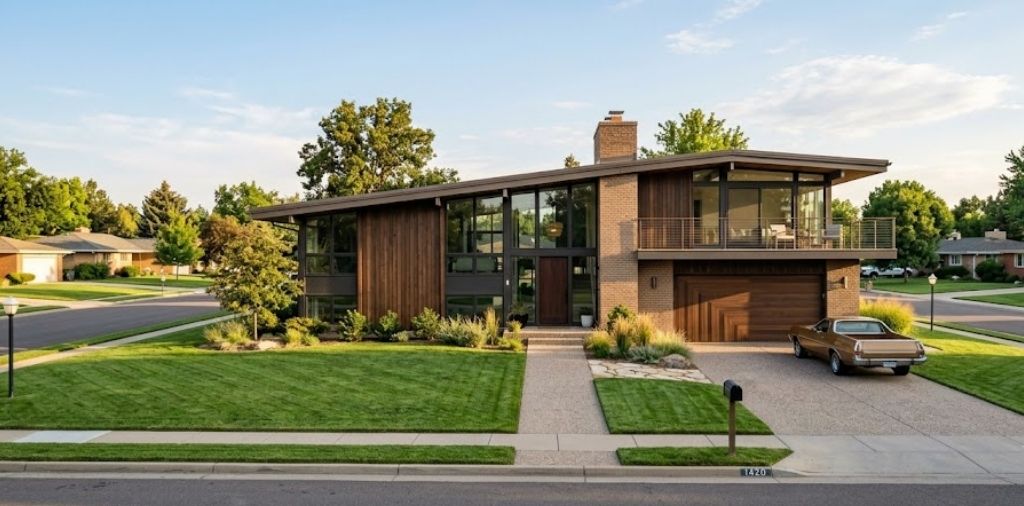
Away from the creek's quirks, South Compton housing runs the familiar postwar inheritance: slab-on-grade tracts, original copper deep into its pitting decades, and the city's own mineral-heavy well supply doing its slow work on both. The symptoms read the same as anywhere in town, warm floor stripes, climbing bills, green-crusted fittings, and the locates run the same instrument-first sequence, with the one local adjustment that winter findings get cross-checked against groundwater before anyone opens concrete.
Neighbors up the water and across the grid
South Compton's large-lot western edge blends into Richland Farms' acreage, and its street grid carries the same era eastward through the 90221. Creek side, pool side, or plain tract slab: the low ground's number is (424) 544-0235, and the truck that answers knows what month it is.
Creek-side low ground is our home turf, any hour.
✆ (424) 544-0235South Compton, CA | Compton Leak Repair Pros serves this area 24/7
South Compton leak questions
My crawl space is damp every winter. Leak or just the water table?
Near the creek, often the table. The tells: broad, seasonal dampness worst after rain points to groundwater; localized wet under a fixture, or moisture that survives summer, points to plumbing. The meter and the calendar usually settle it together.
Is it safe to drain my pool here for a repair?
Only with groundwater managed. On this water table an empty shell can float, and that damage dwarfs any leak. Most repairs happen with the pool full; when draining is truly needed, the hydrostatic plan comes first.
Why does my yard stay soggy long after the sprinklers run?
Flat, low ground drains slowly, but soggy for days is beyond slow drainage. A zone isolation test separates irrigation overrun from a genuine buried leak, and on these lots the answer arrives quickly.