
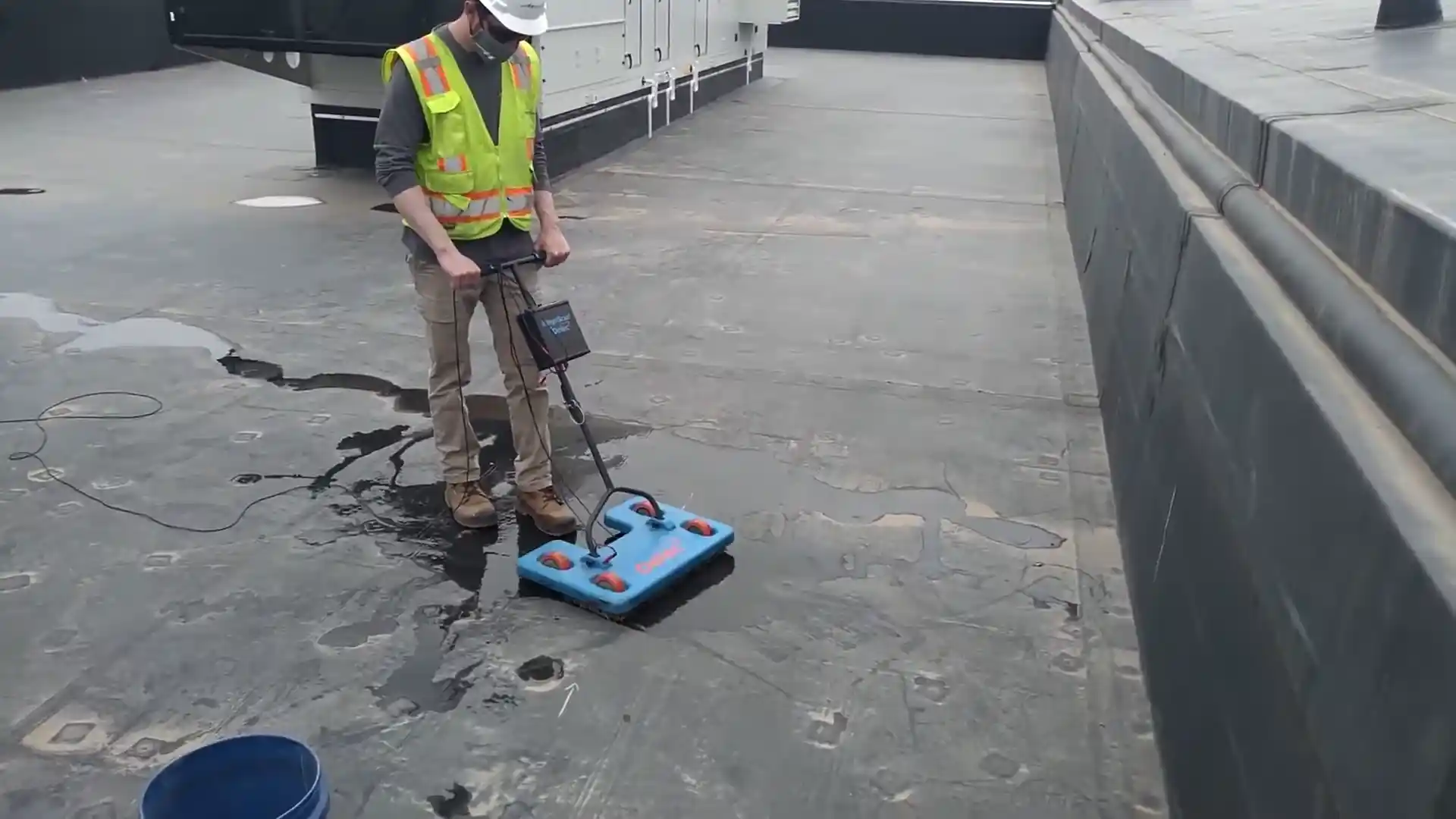
A leak's signal leaves the pipe at a fraction of the loudness of everything competing with it. Raw hearing, even aided by a simple rod, drowns in the modern environment; the difference between a locate and a shrug is what the instruments do to that faint signal after the sensor catches it. Electronic leak detection is that processing layer: amplification measured in orders of magnitude, filters that carve away the frequencies traffic and machinery live in, displays that turn loudness into numbers a technician can rank instead of impressions a tired ear can fool. The sound was always there. Electronics is how it becomes evidence.
Filtering a working city out of the signal
Compton generates exactly the noise floor the filters were built for. The Alameda Corridor moves freight through the city's west side in a below-grade rail trench, the 91 and 710 hem the edges, and the commercial corridors never fully sleep. All of it is low-frequency energy that buries leak signatures on an unfiltered instrument. Band-pass filtering strips those regions away, leaving the mid-band hiss a pressurized breach produces, and adaptive gear samples the ambient rumble and subtracts it in real time. Surveys through the 90220's mixed residential and commercial blocks lean on that filtering constantly; without it, half the neighborhood's locates would wait for 3 a.m.
Correlation: location by arithmetic
The most elegant instrument on the truck does not listen for loudness at all. A leak correlator clamps two sensors to the same line at known points, a valve and a hose bib, two ends of a buried run, and measures the tiny difference in when the leak's noise arrives at each. Sound travels pipe at a known speed for a given material and diameter; the timing gap plus that speed resolves the breach's distance from each sensor, arithmetic instead of audition. Correlation shines exactly where walking a microphone fails: long buried runs under driveways and landscape, noisy daytime streets, and locates where two candidate spots need a tiebreaker.
Instruments meet materials
Electronics also stretches the method across pipe types that defeat unaided listening. Metal carries signal generously. Plastic strangles it, so correlation on PVC runs slower sensors, adjusted propagation speeds, and sometimes an induced signal, a controlled tap or pulse the instruments can time even when the leak itself is too soft. Mixed systems, and this city's housing carries every material at once, get mapped first so the math uses the right constants segment by segment. The instrument is only as honest as its settings, which is why ours travel with the material chart for the exact era of house being surveyed.
Numbers, then a mark, then accountability
An electronic locate ends in figures we can show you: signal strength by position, correlation distance with its stated uncertainty, the survey grid and its peak. That paper trail is the difference between a professional locate and a confident guess, and it is what lets us stand behind the mark when concrete gets cut over it. When the run is long, the street is loud, or a previous attempt has already missed, the instruments earn their seat on the truck. Book them at (424) 544-0235.
A note on what the gear does not replace: judgment. Instruments report signals; a technician decides what counts as one, chooses the sensor points that make correlation meaningful, and recognizes when a beautiful reading is actually the neighbor's pool pump. The electronics multiplied what a trained listener can do. They did not retire the training, and the difference shows most on exactly the difficult locates that justify the equipment.
Long run, noisy street, or a locate that has beaten others?Dispatch answers 24/7. Written quote before any work.
✆ (424) 544-0235Electronic detection questions from Compton
How is electronic detection different from acoustic detection?
Acoustic names the phenomenon, escaping water making sound; electronic names the machinery that captures and processes it: amplification, filtering, and correlation timing. In practice every modern acoustic locate is electronic, and the distinction matters most on hard cases where raw listening fails.
What accuracy can a correlator achieve?
On metal pipe with good sensor points, commonly within a couple of feet over runs of a hundred or more, and a follow-up ground survey tightens the mark further. Plastic and mixed materials widen the window, which we state rather than hide.
Can your instruments work during the day on a busy street?
Usually, yes. Filtering and correlation were designed for working environments, and daytime locates near traffic are routine. A locate that still needs silence gets scheduled honestly for the quiet hours instead of forced.
Do electronic methods work on drain leaks?
Poorly, because drains lack the pressure that generates a continuous signal. Drain suspects go to cameras and controlled testing instead, and the electronic kit stays focused on the pressurized side where its physics apply.