
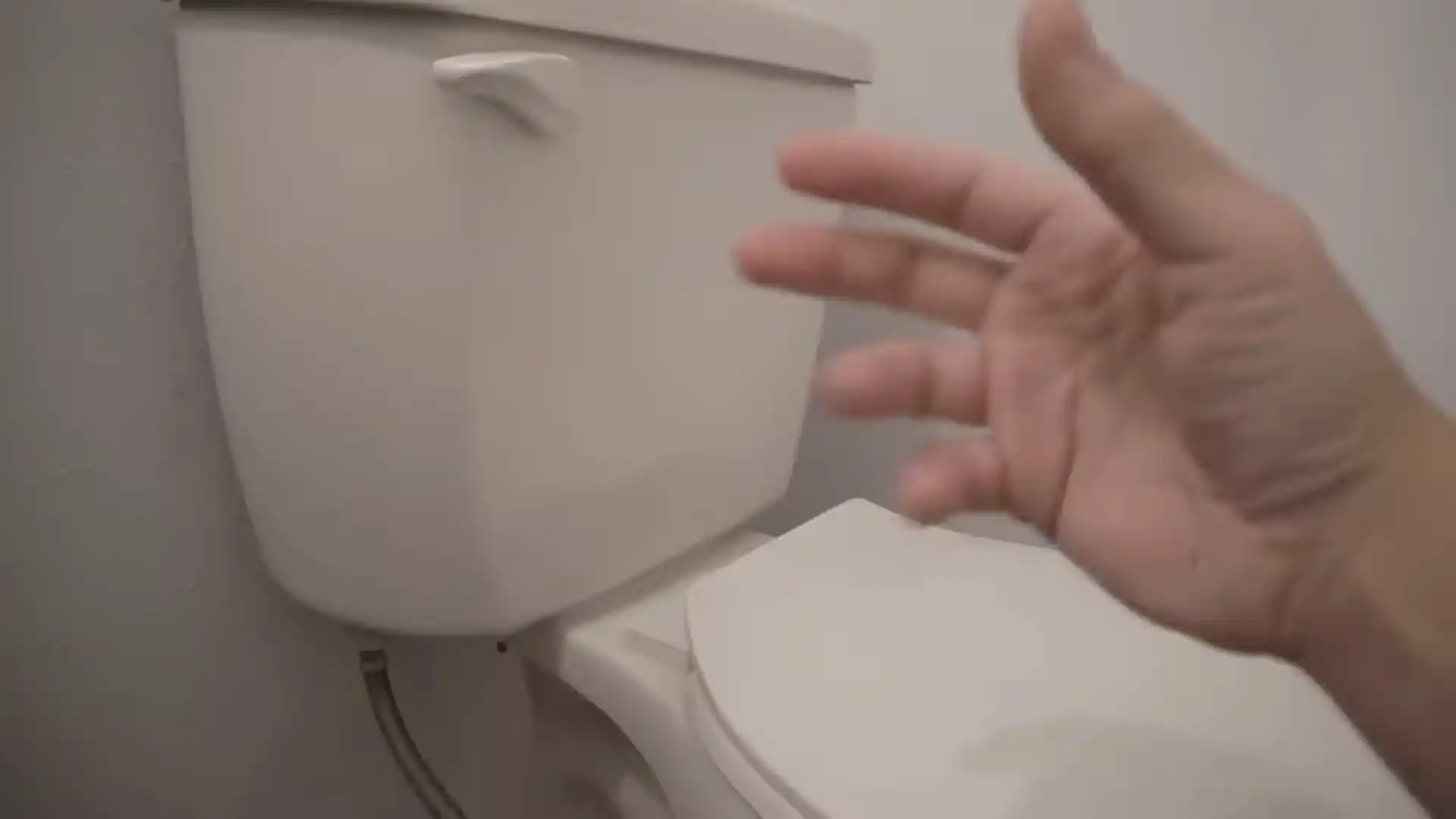
The arithmetic is uncomfortable when you run it. A standard toilet flapper failure passes water at a rate that sounds small but meters large: estimates in the industry put a typical silent toilet leak at 30 to 200 gallons per day, with the higher end of that range representing a flapper that is cracked or warped rather than merely worn. At 200 gallons per day, one malfunctioning toilet adds 6,000 gallons to a monthly bill, which at city rates translates into a meaningful dollar number on top of normal usage, and it does so without producing a single drip, a single puddle, or a single sound you would notice at 2 a.m. It passes directly into the bowl, down the drain, and out of your water budget with the quiet efficiency of a system designed to move water. The only thing standing between you and that loss is ten cents worth of food dye and twenty minutes of patience.
The dye test, step by step
Food coloring tablets or liquid dye both work, purchased at any grocery store for practically nothing. Follow this sequence exactly; each step eliminates one failure mode.
- Lift the tank lid and set it aside safely.
- Drop ten to fifteen drops of dye, or one dye tablet, into the tank water. The color should be visibly deep.
- Do not flush. Put the lid back and note the time.
- Wait exactly twenty minutes without using the toilet. Go make coffee. Set a phone timer.
- Return and look inside the bowl, without flushing. Clear water means no flapper leak. Colored water means the flapper passed dye from the tank into the bowl without a flush.
If colored water appears in the bowl, the flapper seat is not sealing. If the bowl stays clear for twenty minutes and then the tank's water level drops noticeably over the following hour, the fill valve is the patient: it is either running to maintain a slowly dropping tank, or it is passing water over the overflow tube into the bowl on a different schedule. That second case produces a faint hissing that is usually audible if you listen carefully in a quiet room, and it runs on the fill valve's own rhythm rather than the continuous slow pass of a flapper failure.
What each component does and why each fails here specifically
| Component | Function | How it fails silently | The Compton accelerant |
|---|---|---|---|
| Flapper | Seats to hold tank water until flush, then lifts and reseats | Rubber warps, cracks, or builds mineral crust on the seat ring that prevents full closure | Hard water deposits on the seat ring hold the flapper off its seal |
| Fill valve | Refills tank after flush; stops when water reaches the set level | Diaphragm or float mechanism fails; valve does not fully shut | Minerals scale the diaphragm seat; chloramine-touched rubber degrades faster |
| Flapper seat (overflow tube) | Edge against which flapper seals | Mineral crust builds up, creating ridges the flapper cannot bridge | The city's hardness deposits here the same way it crusts faucet aerators |
The local note matters: the city's Central Basin well supply drives mineral deposition on rubber and plastic parts at a rate that shortens the standard replacement intervals other regions publish. A flapper that lasts five to seven years in soft water may need attention in three to four years here, and a fill valve whose documentation promises a decade of service may show symptoms in six. The dye test is not a one-time purchase; it earns a slot on the annual home-maintenance calendar in any house served by this supply.
Dye test came back positive, or the flapper needs more than a rebuild?We carry the parts to the visit and leave the toilet fixed, not diagnosed.
✆ (424) 544-0235Rebuilding versus replacing
Most silent toilet leak repairs resolve in under thirty minutes with parts that cost under twenty dollars at any hardware store. A flapper and a fill valve together are a complete tank overhaul for an amount you might spend on lunch, and installing both at once is often the correct move when one has failed: if one rubber component has degraded in this water, the other has been living in the same water for the same time. The exception is when the flapper seat itself has mineral buildup so severe that a new flapper cannot seat cleanly; that case gets a seat cleaning with a wet cloth and a gentle abrasive before the new flapper goes in, and if the buildup has physically damaged the seat's edge, the entire flush valve assembly is worth replacing rather than fighting.
One misdiagnosis worth naming: a toilet that runs audibly for thirty seconds after every flush and then stops is usually a fill valve completing its job properly. That sound is expected. The sounds that indicate a problem are the continuous trickle that never fully stops, the phantom refill at 3 a.m. when nobody flushed, and the near-silent whisper that runs at the lowest audible threshold. The dye test catches all of them without requiring you to hear anything at all.
The multi-toilet household calculation
Every toilet in the house is a separate test, and in a three-bathroom home the dye test runs three times. Common pattern in older Compton homes: one toilet failing quietly, one failing more audibly and long suspected, and one that tests clean and earns its reprieve. The clean one still earns an anode-rod-style note: it is the same age in the same water, and its turn is on the same clock. Testing all three at once costs thirty minutes and the dye tablets; missing the quiet one costs three more months of its contribution to the bill before the next billing cycle closes the argument.
When the dye test is not the end of the story
A positive dye test in a toilet that is plumbed into the house's main system connects directly to the supply-side investigation framework, because every gallon passing silently through that flapper is a gallon moving through the meter. That connection is why toilet diagnosis leads the whole-house leak investigation before buried lines enter the conversation: a flapper failure is a ten-dollar repair disguised as a mystery, and it is the most common single cause of the doubled-bill calls we receive from across the 90220 in any given month. In the home ZIP itself, where we are closest and fastest, the toilet visit sometimes precedes the full investigation by design, because ruling out the cheap explanation first is how complicated investigations stay cheap. Run the dye test. If it comes back clear on every toilet and the meter still moves, the investigation earns its next step.
Calling from Long Beach instead of Compton?
Everything above applies the same way north of the city line — the diagnostic steps, the pricing model, and the same dispatch. The one thing that can differ is water source: Long Beach blends imported and local groundwater through Long Beach Water Department rather than Compton's own well system, so mineral content can vary by block. See our Long Beach service area page for coverage details, or just call — the technician on your job will confirm specifics for your address either way.
Fix the toilet that is silently making your bill
Most silent toilet leaks resolve to a flapper or fill valve, replaced in under thirty minutes. Call with the dye test result and we will know the parts list before we arrive.
✆ Call (424) 544-0235