
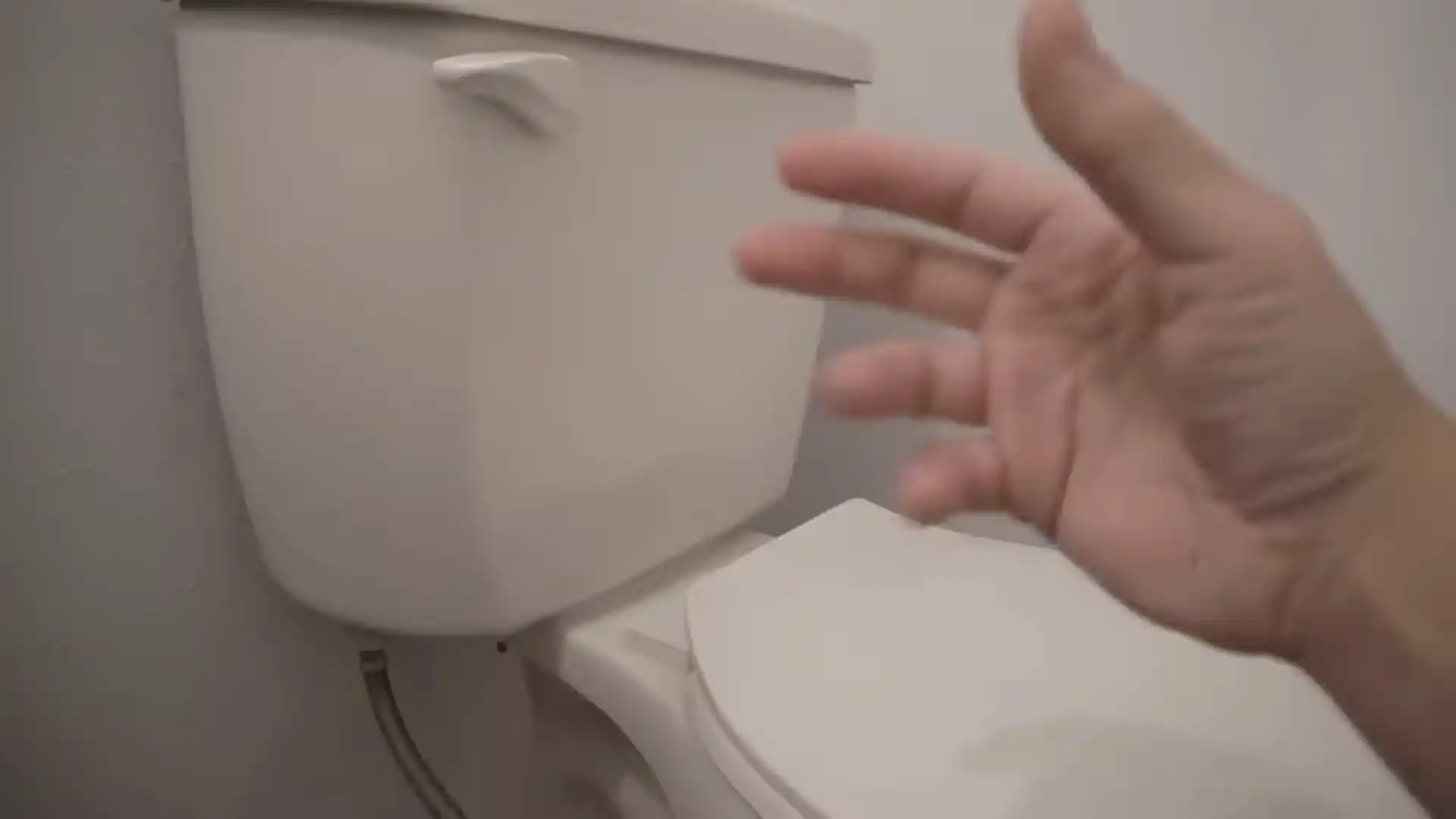
Run the arithmetic once and it stays with you. A toilet with a worn flapper can pass 200 gallons a day, silently, without one visible drop on the floor. Over a two-month City of Compton billing cycle that is roughly 12,000 gallons, billed at metered rates, for water that did nothing but circle a bowl at 3 a.m. Multiply by the second bathroom most homes here have, and a pair of tired flappers can outspend a genuine burst pipe. Toilets are the highest-volume water users in a house and the most common leak source we find, precisely because their favorite failure makes no mess to notice.
The two families of toilet leaks
Everything a toilet does wrong falls on one side of a line: water going down the drain unbilled attention, or water escaping the fixture entirely. The first family is the silent kind, flapper seepage, an overfilling tank trickling down the overflow tube, a fill valve that never quite shuts. Wasteful, invisible, and gentle on the house. The second family does damage: a wax ring failed under the base, letting every flush seep into subfloor; a cracked tank or bowl weeping steadily; supply line and angle stop drips soaking the wall behind. The first costs you at the meter. The second costs you flooring, framing, and sometimes the ceiling of the room below.
Diagnosis in one visit, most of it in the first hour
Tank-side leaks confess to simple tests: dye in the tank appearing in the bowl without a flush convicts the flapper, a waterline above the overflow tube convicts the fill valve, and a hiss that stops when the float is lifted settles any argument. Base leaks take more care, because water at the floor can be condensation, a supply drip tracked down the tank, or the wax ring itself. We dry everything, flush under observation, and check the closet flange while we are there, since a corroded or broken flange is why rings keep failing in older bathrooms. Where staining suggests the leak has been running into the structure, moisture readings tell us how far, and whether the drain piping below the fixture deserves its own inspection before anything is sealed up.
Repairs, from ten-dollar parts to honest replacements
Most silent leaks die with a quality flapper, a fill valve, or a flush valve seat, small parts we carry and install on the spot. Wax rings get replaced with the toilet pulled, the flange inspected and repaired if cracked, and the base reset level so the new seal is not doing structural work. Hairline tank cracks are a replacement conversation, stated plainly, because sealants on pressurized porcelain are a countdown, not a fix. And in homes still running pre-1994 high-volume toilets, we will give you the water math on a modern fixture, since Compton's metered rates pay back the swap faster than most owners expect.
Old floors, old flanges, and Compton's bathroom stock
The city's housing eras show up under toilets more than anywhere else. Pre-war homes near Downtown and through Caldwell often set their fixtures on original wood subfloors that decades of minor seepage have softened, so a rocking toilet there is a structure question, not just a ring swap. Tract-era bathrooms sit on concrete slabs, kinder to leaks but hard on flanges set in the pour. And everywhere in the city, the mineral-heavy municipal well supply crusts fill valves and flapper seats years ahead of softer-water towns, which is why the same small parts fail here on a shorter clock. When a bathroom starts showing more than one symptom at once, a whole-bathroom leak check usually beats fixing fixtures one by one. Either way, (424) 544-0235 gets the arithmetic working for you instead of against you.
Toilet hissing, ghost-flushing, or rocking at the base?Dispatch answers 24/7. Written quote before any work.
✆ (424) 544-0235Toilet questions from Compton bathrooms
How do I test for a silent toilet leak myself?
Put ten drops of food coloring in the tank, wait twenty minutes without flushing, and look at the bowl. Color in the bowl means the flapper is passing water. It is the single highest-value free test in home plumbing.
Why does my toilet run for a few seconds at random?
That ghost flush is the tank refilling after slow flapper seepage drops the water level. It is the audible version of the dye test, and the fix is usually a flapper and sometimes the seat it lands on.
My toilet rocks slightly. Is that urgent?
Treat it soon. Rocking works the wax ring open, and every flush after that can seep at the base. Often the fix is shimming and a new ring; if the flange or subfloor is damaged, better to learn that before the floor tells you.
Is water around the base always a wax ring failure?
No. Tank condensation in warm weather, a weeping supply connection, and splash all mimic it. We dry the area and isolate the source before pulling anything, because a pulled toilet that did not need pulling is a wasted charge.