
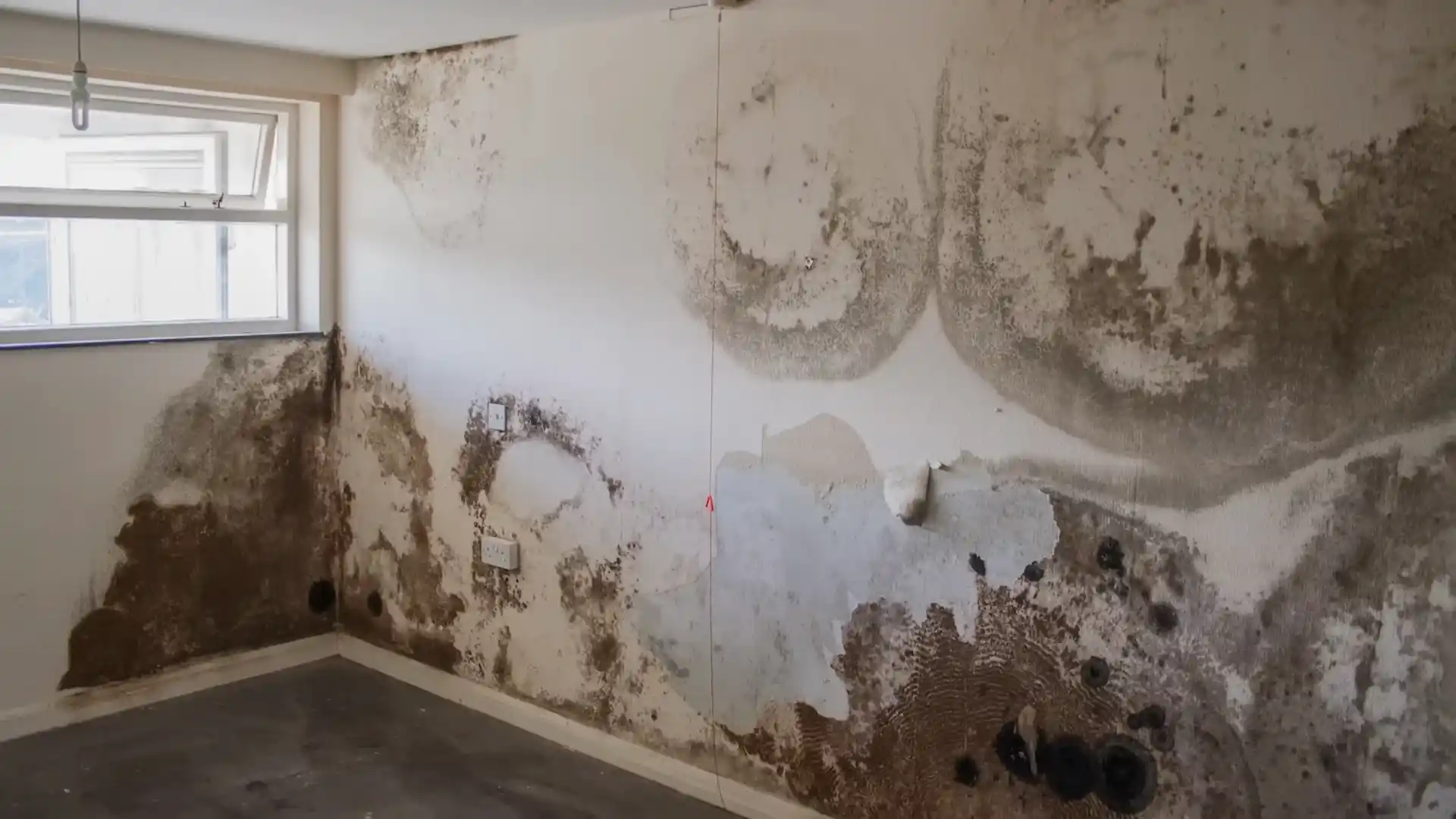
Walls confess before they stain, if anyone is listening. Put an ear to painted drywall in a silent house and a pressurized pinhole two studs away reads as a faint, steady hiss. Run a palm across the suspect area and wet drywall feels cooler than its neighbors, evaporation working through the paint. Breathe near the baseboard and damp gypsum has a smell, mineral and faintly sweet, that arrives days before any visible mark. Most of our wall calls start with one of those three senses and a homeowner who trusted them. The instruments we bring confirm and locate; the human evidence usually got the neighborhood right.
What lives inside a Compton wall
An interior wet wall here typically carries hot and cold supply risers, a fixture valve, and one or more drain and vent stacks, and each fails on its own terms. Supply lines leak under pressure around the clock, the classic case being a pinhole opening in tract-era copper that mists a stud bay for weeks. Drains and vents leak on the schedule of use. And exterior walls add non-plumbing suspects: irrigation spray soaking through stucco, weep screed problems, and window flashing that only performs badly in the December-to-March rains. Sorting pressurized from scheduled from weather-driven is the first hour's work, and it decides everything after.
Pinpointing through the drywall
The wall's job is to hide things, so the toolkit's job is to see and hear through it. Moisture meters trace the wet footprint across the surface and down to the plate. Thermal imaging paints the streak a hot-side leak draws down a cavity. Amplified listening follows the hiss to its loudest stud bay, and tracer gas takes over when a leak is too fine to hear. Vent and drain suspects get dye and controlled flow instead. The finish is a mark on the paint and a stated confidence, and the opening that follows is sized to the repair: a hand-square access at the failure, not a wall stripped to the studs on a hunch.
Repair, dry-out, and closing honestly
The plumbing fix is usually the quick part: a copper section replaced back to bright metal, a drain hub rebuilt, a valve swapped with a proper access panel left behind. The wall itself deserves equal discipline. Wet insulation comes out rather than being entombed, the cavity dries under verification readings, and anything mold has colonized gets addressed before patching. Stucco-side repairs get flashed and sealed to shed the next storm. We photograph the failure and the readings so your records, or your insurer's, show cause and cure in one file.
Shared walls and the duplex factor
A local wrinkle worth naming: Compton's housing includes thousands of duplexes and close-set homes where a wet wall is shared or nearly so, and just west in Gardena the same mid-century patterns repeat. A leak in a shared wall wets two addresses and starts two theories, usually contradictory. Instrument readings from both sides settle whose plumbing owns the failure, in writing, before any neighborly dispute gets expensive. One wall, one truth, one repair: (424) 544-0235.
If you suspect a wall tonight, two useful notes before you call. Mark the cool or damp patch with painter's tape at its edges and date it, so growth or retreat becomes visible fact rather than memory. And listen at the same spot at the same quiet hour tomorrow: a hiss that persists across days is pressurized and worth an urgent slot, while a sound that comes only with fixture use points down the scheduled-drain path. Both observations shorten the visit you are about to book.
Hearing a faint hiss or finding a cool damp patch on painted drywall?Dispatch answers 24/7. Written quote before any work.
✆ (424) 544-0235In-wall leak questions from Compton homes
I hear hissing but every fixture is off. Am I imagining it?
Probably not. A steady hiss in a quiet house is the textbook sound of pressurized water escaping, and it carries surprisingly far along pipe and framing. Note where it sounds loudest at night; that observation speeds the locate.
Paint is bubbling low on one wall. What is that?
Moisture pushing through from behind, lifting the paint film. Low-wall bubbling often means water traveling the bottom plate from a source several feet away, so resist repainting until the source is found and dried.
Do you have to open both sides of a shared wall?
Rarely. Readings from each side usually identify the owning system, and the opening happens on the side with the failure. Where a neighbor's cooperation helps, a documented reading from their side is quick and non-invasive.
Can a wall leak affect my electrical outlets?
Yes, and it changes the visit's order. Water tracks wiring and pools in boxes. Any outlet in the wet footprint gets treated as suspect, and we will tell you plainly when an electrician belongs in the sequence.
What if the wall pipe actually burst instead of slowly weeping?
A true burst inside a wall cavity floods much faster and more visibly than the slow hiss and paint-bubbling pattern most of this page describes. emergency water line repair covers that more urgent version of a wall pipe failure in greater depth.