
There was an era, not so long ago, when leak diagnosis meant exploratory demolition: open the wall where the stain is, and if the pipe there looks fine, open the next bay, and the next, until the water shows itself. The leak got found eventually. The house paid for the search. Non-invasive detection is the modern refusal of that bargain, a complete diagnostic sequence, meter to mark, conducted entirely from the surfaces you already see. Pressure isolation, thermal scanning, moisture mapping, amplified listening, gas tracing, camera work through existing openings: every one of them interrogates the system without wounding it. The only cutting in a properly run case is the repair itself, at a confirmed point, sized to the fix.
The full sequence, zero openings
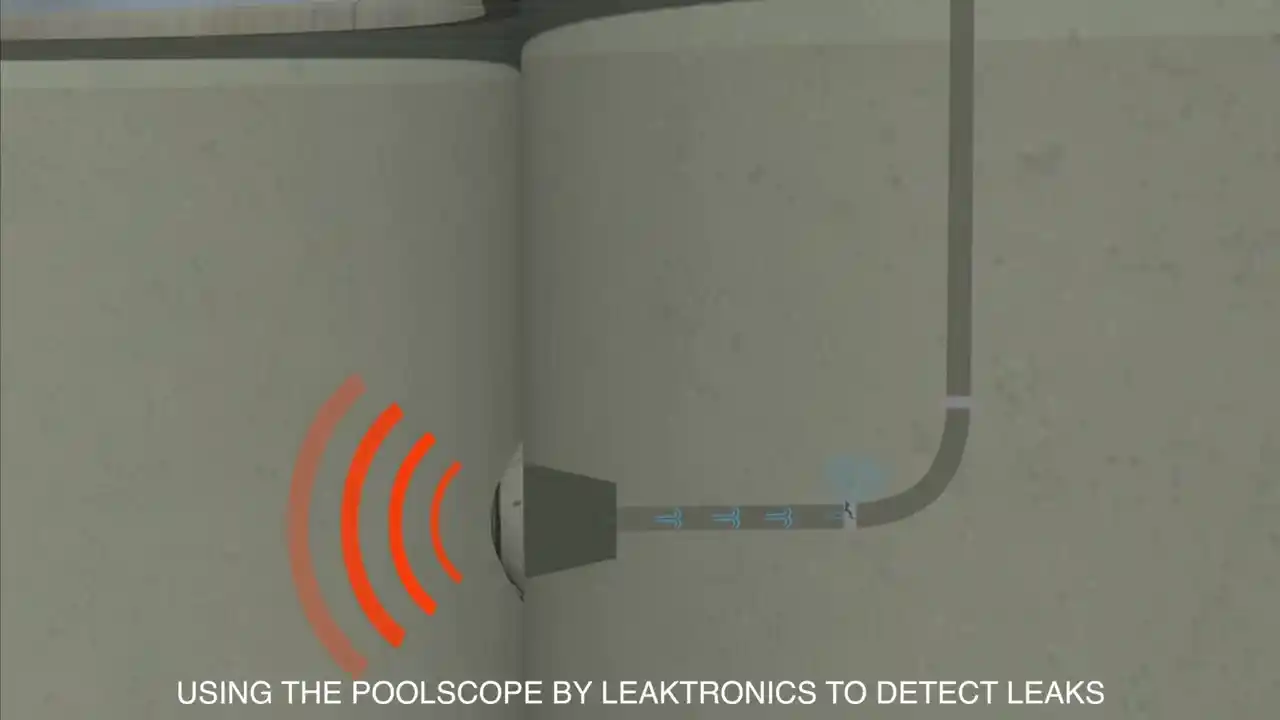
A non-invasive case builds its verdict in layers. The meter and isolation valves say whether and which side. Thermal imaging maps heat plumes and moisture shadows across floors, walls, and ceilings. Meters trace the wet footprint to its edges and its densest point. Listening gear follows the pressurized hiss; gas takes the silent cases; dye and controlled flow interrogate the drains. Each layer narrows the last, and the sum is a located, characterized failure, what system, where, how bad, established while every wall in the house still holds its paint. For occupied family homes, that sequence is not a luxury; it is the difference between a diagnosis and a renovation.
What stays whole, and why it matters here
Compton's housing gives preservation real stakes. The pre-war stock through Caldwell and the historic core carries lath-and-plaster walls that patch poorly and original hardwood that matching costs dearly; every exploratory hole in those homes subtracts something a drywall patch cannot give back. Tract-era houses raise different treasures, tiled showers and surrounds whose demolition triggers exactly the enclosure work a careful diagnosis avoids. Rentals add the tenant's peace to the ledger, and listed or sentimental properties add more. Non-invasive method is how all of it survives the plumbing's bad day.
The honest limits
Non-invasive does not mean never-open; it means never-open-to-search. Some repairs need access, and some verifications, a suspected slow drain leak deep in a chase, occasionally justify a small inspection port. The distinction we hold is that any opening happens after the evidence has converged, at the confirmed point, at the size of the task, with your approval on the reasoning. What the method eliminates is the speculative hole: the wall opened to have a look, the floor lifted on a hunch. Those belong to the old era, and the instruments retired them.
Same answers, intact house
The endpoint of a non-invasive case is identical to any other good diagnosis: the failure named, located, and priced for repair, with findings you can hold. The difference is everything the process did not cost, no patches, no paint-matching, no tile hunt, no drywall dust in an occupied home. A diagnosis should read like a careful inspection of your home, never like an excavation of it. To book the version that leaves no evidence of itself, call (424) 544-0235.
Who asks for this by name
Certain callers request non-invasive work specifically, and the pattern says a lot. Sellers mid-escrow who need a diagnosis without creating disclosure photographs of open walls. Landlords who owe tenants quiet enjoyment along with repairs. Owners of newly renovated homes who will not see fresh tile cut on a hunch. And managers of occupied commercial space where dust and demolition cost trade. Every one of those callers is buying the same thing: the complete diagnostic answer at zero collateral cost, with any opening deferred until the evidence has made it a repair rather than a search.
Need answers without holes in the walls?Dispatch answers 24/7. Written quote before any work.
✆ (424) 544-0235Non-invasive questions from Compton homes
Is non-invasive detection less accurate than opening things up?
More, usually. Instruments survey whole surfaces and systems; a hole shows one stud bay. The evidence-first sequence finds failures exploratory cutting misses entirely, and the repair opening lands on proof instead of hope.
Does it cost more than a standard diagnosis?
It is our standard diagnosis, priced flat and quoted when you book. The premium methods within it, gas tracing chiefly, are added only when a case needs them, discussed before use.
What if the leak turns out to need a wall opened anyway?
Then one opening happens, at the confirmed point, sized to the repair, with the reasoning shown first. The method's promise is no speculative holes, not a guarantee that repairs need no access.
Can you work non-invasively in a furnished, occupied home?
That is the natural habitat. Instruments move around furniture and daily life; nothing generates dust or debris. Most diagnostic visits end with the household unable to tell we were there, apart from the answers.