
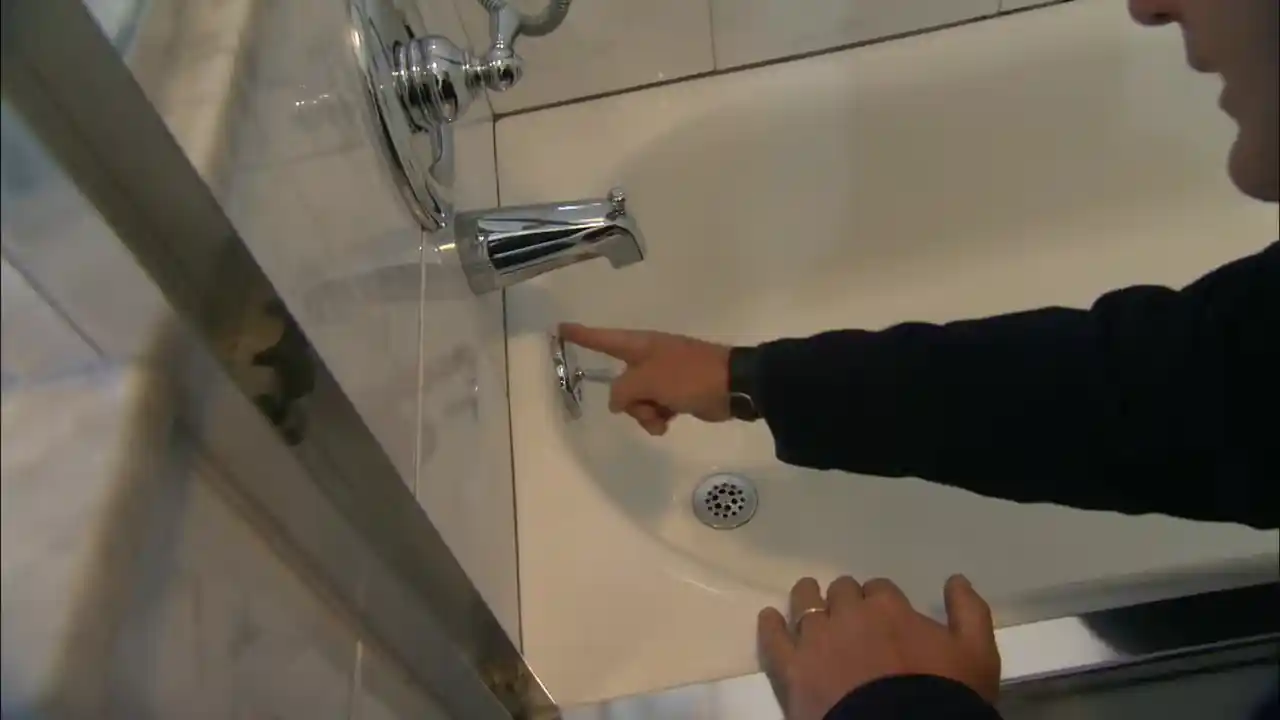
You can date a Compton bathroom by its tub. The pre-war homes near the old core still hold cast iron on claw feet or in early built-ins, five hundred pounds of fixture that outlives its own plumbing generation after generation. The great tract buildout installed enameled steel tubs by the thousand, lighter, cheaper, and now sixty years into chipped enamel and rusted drain threads. Remodels since the nineties brought acrylic and fiberglass, warm underfoot and quick to install, flexing on their supports in ways rigid tubs never did. Three eras, three materials, and three completely different answers to the same phone call: there is water under my bathtub.
Where tubs actually leak
Tub leaks concentrate at five points, and the tub's material shifts the odds among them. The overflow gasket, a foam or rubber ring behind the overflow plate, dries out in every era and leaks only when bathwater reaches it or the shower spray hits the plate. The drain shoe and its plumber's putty seal give up with age, or with the flexing of an acrylic floor. The waste-and-overflow piping below, often original steel in older homes, rusts at its slip joints. The spout and valve wall behind the tub belongs to the supply side, pressurized and capable of leaking around the clock. And the tile surround above the rim leaks by splash and wicking at failed caulk lines, mimicking plumbing while being carpentry. Timing plus location sorts them: only-during-baths points low, constant dampness points at the wall, only-with-the-shower-running points up.
Testing a fixture you cannot see under
Most tubs offer no access panel, so the tests are behavioral before they are surgical. Fill past the overflow and hold, watching below with moisture instruments, to try the overflow gasket. Drain under observation to try the shoe and waste piping. Run the shower against a taped-off surround to separate splash from plumbing. Where a ceiling below is already stained, that ceiling's moisture pattern gets mapped first, since its shape often points at the guilty joint before anything is opened. When access is unavoidable, we cut it clean: a proper panel behind the valve wall or a neat ceiling opening below the drain, positioned to become a permanent service access instead of a scar.
Repairs across three generations of tubs
Overflow gaskets and drain shoes are honest small repairs in any material, and we carry the parts. Corroded waste-and-overflow assemblies get replaced in modern materials that thread cleanly and seal without prayer. Cast iron tubs earn special handling: their drains demand penetrating patience rather than force, because a cracked vintage tub is not a part anyone stocks. Acrylic tubs flexing at the drain get their support corrected, foam or mortar bedded under the floor pan, or the same failure returns on schedule. And when the real problem is the surround, we say so, scope the recaulking or the substrate repair honestly, and skip the plumbing theater. A tub serving a family in Paramount or a Compton original gets the same rule: name the failure first, then fix only that. When more than one fixture in the room is suspect at once, a full-bathroom diagnosis beats serial guessing. Either way, the first step is (424) 544-0235.
One last era note: if your home still has its original tub, keep the receipts and photos from any repair we make. Vintage fixtures documented with sound plumbing appraise and disclose better at sale time, and the paperwork costs nothing at all to keep in a kitchen drawer.
Stain under the tub's ceiling or a floor that creaks damp?Dispatch answers 24/7. Written quote before any work.
✆ (424) 544-0235Bathtub questions from Compton homes
Water only appears when someone takes a bath, never a shower. What does that tell you?
A lot. Bath-only leaks implicate the overflow gasket or a drain seal that only sees standing water at depth, while shower-only leaks point at the surround, the valve, or the riser. That single observation can halve the testing.
Is a stained ceiling under the tub an emergency?
It is an appointment, promptly. Most tub leaks release modest volumes per use, so damage accumulates rather than floods. Stop using that tub, note what usage darkens the stain, and have it tested before the drywall needs replacing along with the gasket.
Can old cast iron tubs be kept during a repair?
Almost always, and they are usually worth keeping. The fixture outlasts its plumbing; we replace the failed drain and overflow hardware around it. Refinishing chipped enamel is separate cosmetic work we can point you toward.
Why does my new acrylic tub already leak at the drain?
Support, most likely. Acrylic floors flex when the pan was set without full bedding, and every fill-drain cycle works the shoe seal loose. The durable fix corrects the support, not just the putty.